This study brings together a multidisciplinary team of leading clinicians, public-health experts, and researchers. RECENT-TB consortium was established to shift the global paradigm from acute treatment to comprehensive post-treatment care. We are pioneering a strategic approach to evaluate whether secondary preventive treatment can protect survivors and reshape how health systems manage post-recovery outcomes.
Amsterdam UMC
Coordinator
IDI Uganda
Scientific lead
Stellenbosch University
Co-investigator institution
University of St Andrews
Co-investigator institution
LEADERSHIP
Scientific and consortium leadership
Lead PI
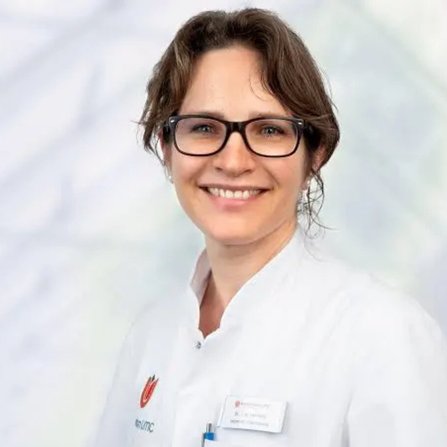
Dr Sabine Hermans
Lead PI
Dr Sabine Hermans
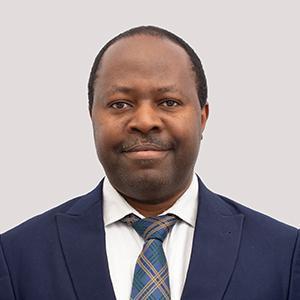
Co-PI & Scientific Lead
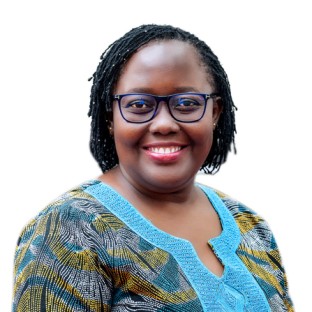
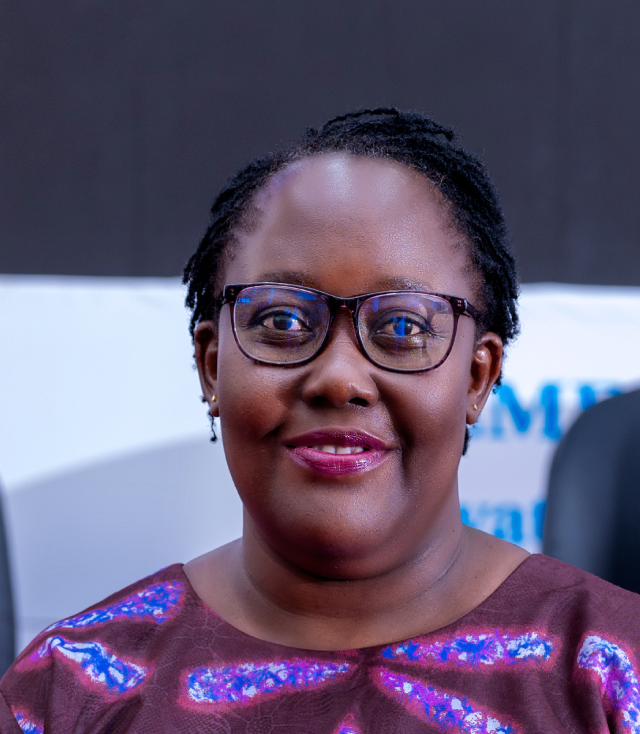
Dr Stella Zawedde-Muyanja
Co-PI & Scientific Lead
Dr Stella Zawedde-Muyanja
Dr Stella Zawedde-Muyanja (MBChB, MPH, PhD) is a senior research scientist at the Infectious Diseases Institute, Makerere University.. Her work focuses on using implementation research to improve TB screening, prevention and care, including post-TB lung health, in primary care settings in Uganda. She is Co-Principal Investigator and Scientific Lead of the RECENT-TB Study.
SITE PI (SOUTH AFRICA)
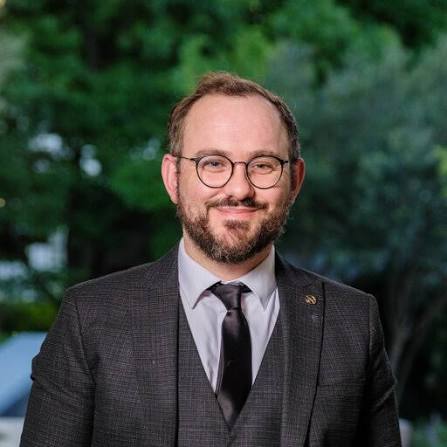
Prof Grant Theron
SITE PI (SOUTH AFRICA)
Prof Grant Theron
Prof Grant Theron is a microbiologist with 16 years’ experience evaluating and implementing new tuberculosis and drug-resistant TB diagnostics, including in people with HIV. His work spans test development, diagnostic accuracy studies, randomised trials and health-systems research across Africa, informing WHO guidelines. He founded and leads CLIME at Stellenbosch University.
Co-Investigator
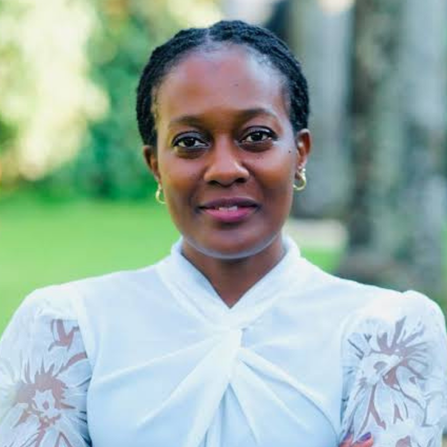
Dr Christine Sekaggya-Wiltshire
Co-Investigator
Dr Christine Sekaggya-Wiltshire
Dr. Christine Sekaggya-Wiltshire is Physician at Mulago National Referral Hospital, Senior Research Scientist at the Infectious Diseases Institute, Makerere University, with extensive experience in clinical research and clinical trials in tuberculosis and HIV. Her TB research programme spans treatment optimisation, pharmacokinetics and therapeutic drug monitoring, pharmacogenomics, TB prevention, diagnostics, TB-HIV co-infection and implementation research. Her work has included studies of high-dose rifampicin, pharmacogenetically guided isoniazid dosing, therapeutic drug monitoring for antibiotics, TB preventive therapy, TB diagnostics and strategies to improve access to TB services through private-sector and community-based platforms. She is currently leading multi-country clinical trials on pragmatic use of antivirals and therapeutics for diseases of outbreak potential to improve capacity for early phase trials for epidemics in Africa.
She has provided technical and scientific support to the Uganda Ministry of Health in the development of national clinical guidance and TB-related policy and has contributed to the Uganda Clinical Guidelines and COVID-19 treatment guidelines. At international level, she has served on WHO advisory groups on TB diagnostics and TB drug dosing, contributing expertise on the development of evidence-based approaches to optimise TB diagnosis and treatment.
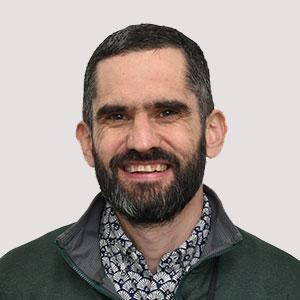
Co-Investigator
Dr Derek Sloan
Co-Investigator
Dr Derek Sloan
Co-Investigator
Dr Wilber Sabiiti
Co-Investigator
Dr Wilber Sabiiti
CS
CO-INVESTIGATOR
Dr Christine Sekaggya
Infectious Diseases Institute, College of
Health Sciences, Makerere University.
SZ
CO-INVESTIGATOR
Dr Derek Sloan
University of St Andrews, Scotland.
SZ
CO-INVESTIGATOR
Dr Wilber Sabiiti
University of St Andrews, Scotland.
COLLABORATIONS
National and international partners
Amsterdam UMC
Overall RECENT-TB project coordination and consortium leadership.
Infectious Diseases Institute
Scientific leadership, Uganda site institution and liaison with national stakeholders
Stellenbosch University
South Africa site institution, clinical and implementation research partner
University of St Andrews
Scotland, UK clinical trial expertise and co-investigator institution
South Africa / Cape Town NTP
National and site-level programme collaboration in South Africa
Uganda NTLP
National TB & Leprosy Programme collaboration and policy engagement.
RECENT-TB
Understanding and preventing TB recurrence.
RECENT-TB is exploring whether a course of preventive antibiotics after TB treatment can prevent disease recurrence and how this could be targeted at those who would benefit most.
98
participants targeted for the main trial
0 year
participant follow-up after enrolment
0 HP
12 weekly doses of isoniazid + rifapentine
0
candidate risk markers evaluated
THE CHALLENGE
Why recurrence after TB treatment matters
Around one in ten people who successfully complete TB treatment experience relapse or reinfection within two years. RECENT-TB addresses this relatively neglected period after treatment.
01
Recurrence remains common
Every year, around 1.5–2 million people in sub-Saharan Africa are treated for TB, and recurrence contributes a substantial share of the TB burden.
02
Prevention may help
Secondary preventive treatment is already used in selected high-risk groups, but evidence for wider use is still limited.
03
Targeting is important
Risk stratification may allow preventive treatment to be directed to those most likely to benefit rather than offered to everyone.
THE PROJECT
How the RECENT-TB trial works
MAIN TRIAL
Testing secondary preventive treatment
1,800 participants are recruited after treatment for pulmonary TB. Half receive 12 weekly doses of isoniazid plus rifapentine (3HP), and all participants are followed for two years.
EMBEDDED COHORT
Finding who is most at risk
Four candidate markers—CRP, haemoglobin, CXR+CAD4TB and TB-MBLA—are evaluated to develop a practical personalised recurrence-risk score.
EXPECTED IMPACT
Evidence designed for policy and practice
Effectiveness
Determine whether 3HP reduces recurrence after TB treatment.
Implementation
Assess feasibility and acceptability for future scale-up.
Risk stratification
Identify whether simple tests can find the highest-risk patients.
Cost-effectiveness
Estimate the likely value of different secondary prevention approaches.
People behind the study
Study Team
Study Coordination
RECENT-TB consortium
International scientific and operational leadership.
Uganda Team
Scientific leadership
Infectious Diseases Institute, Uganda.
South Africa Team
Site investigators
Clinical and implementation research partners.
Community & Policy
Engagement partners
Working with communities and national TB programmes.
Role
Name
Lorem ipsum dolor sit amet, consectetur adipiscing elit. Ut elit tellus, luctus nec ullamcorper mattis, pulvinar dapibus leo.
Lorem ipsum dolor sit amet, consectetur adipiscing elit. Ut elit tellus, luctus nec ullamcorper mattis, pulvinar dapibus leo.
Lorem ipsum dolor sit amet, consectetur adipiscing elit. Ut elit tellus, luctus nec ullamcorper mattis, pulvinar dapibus leo.
Lorem ipsum dolor sit amet, consectetur adipiscing elit. Ut elit tellus, luctus nec ullamcorper mattis, pulvinar dapibus leo.